Trump suspends tariffs against Russia under Graham Act

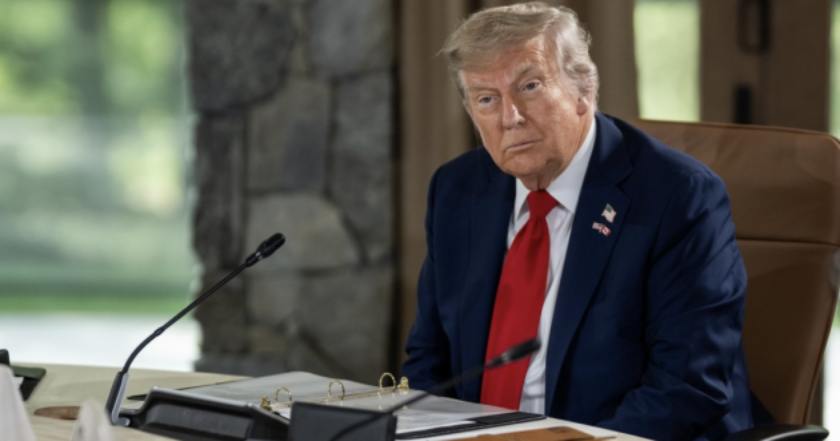
Photo source: The White House

US President Donald Trump signed an executive order suspending the implementation of tariffs mandated under the Graham Act. The restrictions targeted Russian energy exports and could have impacted major buyers of Russian crude oil.
According to Rubryka, Bloomberg reported the move, which is confirmed by the executive order published on the White House website.
Justifying his decision, Trump cited the national interest of the United States.
"I hereby waive the application of any duties provided for in sections 112 and 113 of the Graham Act or this order. I have submitted to the Congress a certification that the issuance of such a waiver is in the national interests of the United States and a report explaining the basis for the certification, consistent with section 115(b) of the Graham Act," the order reads.
According to Bloomberg, domestic diesel fuel prices were a key factor in the decision. Enforcing sweeping tariffs on goods tied to Russian oil exports threatened to complicate the Trump administration's efforts to lower fuel costs ahead of the upcoming midterm elections.
Signed into law by Trump last month, the legislation aimed to escalate economic pressure on Russia over its invasion of Ukraine. The late Senator Lindsey Graham authored the original measure.
Before the signing, the US House of Representatives passed the final vote on Lindsey Graham's bill imposing "hellish sanctions" against Russia and Iran, with 262 representatives voting in favor and 159 voting against.
In addition to new trade restrictions, the law codified and expanded existing sanction mechanisms targeting Moscow.
Specifically, the act provided for potential 100 percent tariffs on all imports from the top five purchasers of Russian crude oil, granting the US president a 30-day window to implement the decision.
Another provision imposed 500 percent tariffs on all Russian energy imports into the United States, alongside sanctions against numerous Russian legal entities. The deadline for decisions regarding these measures expired on October 18.
However, Trump's new executive order alters the implementation timeline: while tariffs are formally established, their application remains suspended, leaving the president the option to trigger the restrictions at a later date.
Bloomberg notes that the decision also aligns with Trump's strategy for global fuel markets. Last week, Trump announced plans to cooperate with Vladimir Putin to release Russian diesel reserves onto international markets.
This strategy plays a critical role for the administration as domestic fuel prices near record highs weeks before the US midterm elections scheduled for November 3. Consequently, trade restrictions that threaten global energy supply chains run counter to the administration's mandate to drive down consumer prices.
Suspending the tariffs risks sparking a renewed confrontation between the president and members of Congress. According to Bloomberg, Republicans have expressed strong dissatisfaction with Trump's policy on Russian diesel fuel, and waiving the statutorily mandated tariffs is expected to intensify bipartisan criticism.
At the same time, the waiver allows Washington to avoid trade disputes with major consumers of Russian energy products, including China, India, and Türkiye.
Background
It should be noted that on July 15, members of the US Senate introduced an updated bipartisan sanctions bill against Russia. The document preserved stringent restrictions targeting the Russian economy, banking sector, and "shadow fleet," while revising the mechanism for imposing tariffs on countries purchasing Russian energy.
Lawmakers introduced the revised text days after the passing of Senator Lindsey Graham, who served as a primary sponsor.