Solutions from Ukraine: Heavenly Hundred Families NGO creates coloring book to teach children how to interact with veterans with prosthetics



Children do not always know how to behave when meeting a person with a prosthetic limb or other visible consequences of war. To address this, the Heavenly Hundred Families NGO developed a coloring book for children aged 6–10 that helps navigate conversations about veterans, accessibility, and respectful communication.
The NGO implemented the project with support from the Department of Social and Veteran Policy of the Kyiv City State Administration, according to Rubryka.
The initiative won the city contest "Support for Defenders of Ukraine."
What's the problem?
For a child, meeting a veteran with a prosthetic limb or other visible consequences of war can feel unusual. At the same time, a careless question or excessive focus on a person's appearance can create an uncomfortable situation for both the child and the veteran.
The Heavenly Hundred Families NGO believes parents and educators should prepare children for such situations in advance. According to the organization, primary school children need simple, accessible tools that explain the rules of interacting with veterans in everyday life.
What's the solution?
The Heavenly Hundred Families NGO created a coloring book for children aged 6–10. Through play-based tasks, it helps children navigate common scenarios, explaining:
- How to address a veteran with a prosthetic limb
- Whether asking personal questions is appropriate
- Why physical differences should not create social distance
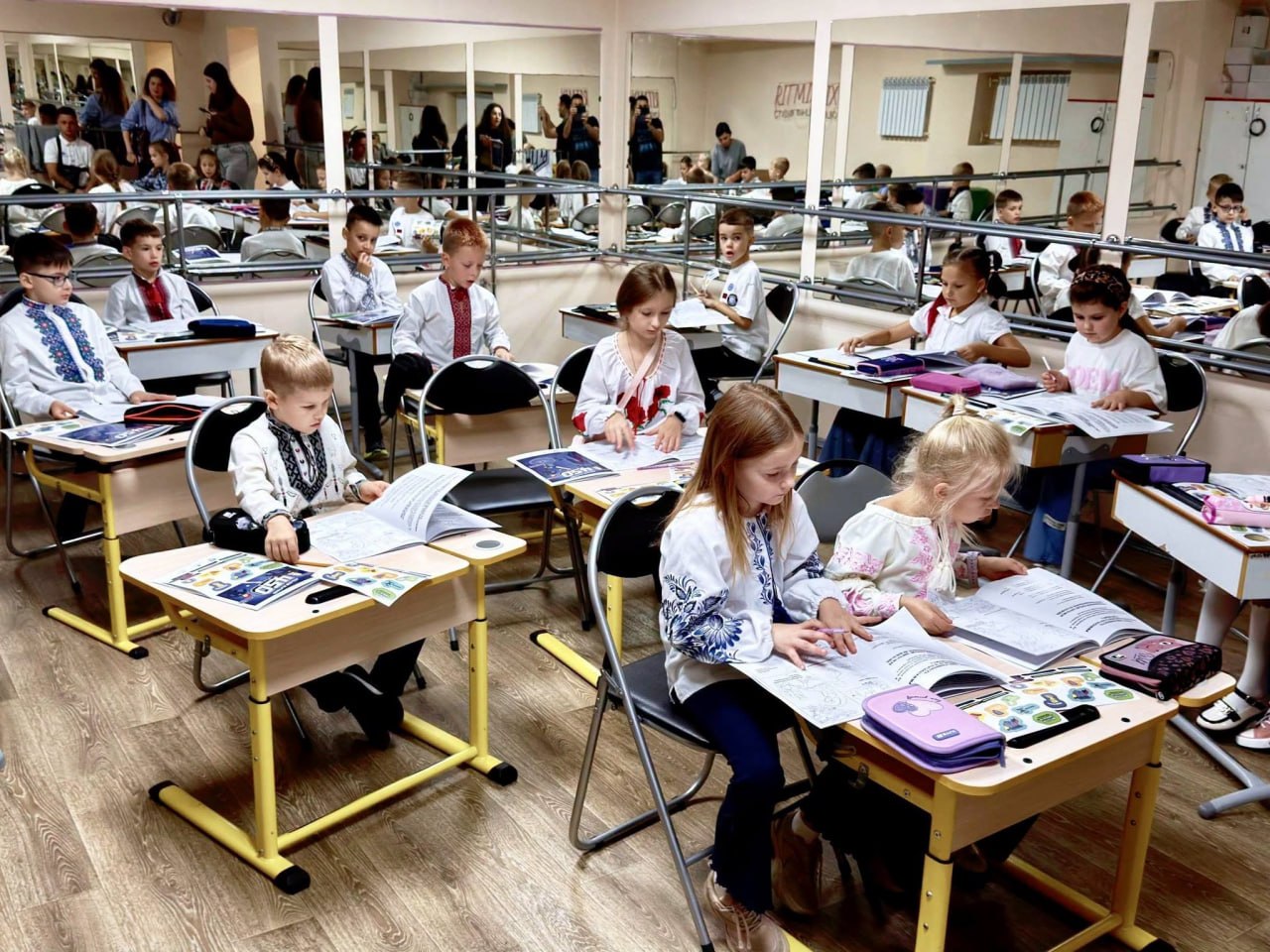
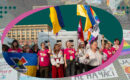
The pilot phase involved printing 100 copies of the book and conducting interactive lessons for students at Kyiv's Lyceum No. 29.
During four sessions, children spoke with veterans, completed interactive assignments, and asked questions. Organizers used these meetings to explain how to talk about defenders without fear, pity, or stereotypes.
"Parents and educators should prepare children in advance for communicating with veterans, particularly those with prosthetics or other visible consequences of war. This helps avoid awkward situations, protects veterans' psychological space, and teaches the younger generation to express gratitude sincerely and respectfully," says Yuliia Tsepun, head of the Heavenly Hundred Families NGO.
How does it work?
The book combines coloring pages with tasks that encourage children to discuss specific scenarios for interacting with veterans.
In-person lessons complemented conversations with veterans alongside creative activities. Specifically, children decorated gingerbread cookies with the colors of the Ukrainian flag and a bird as a symbol of freedom.
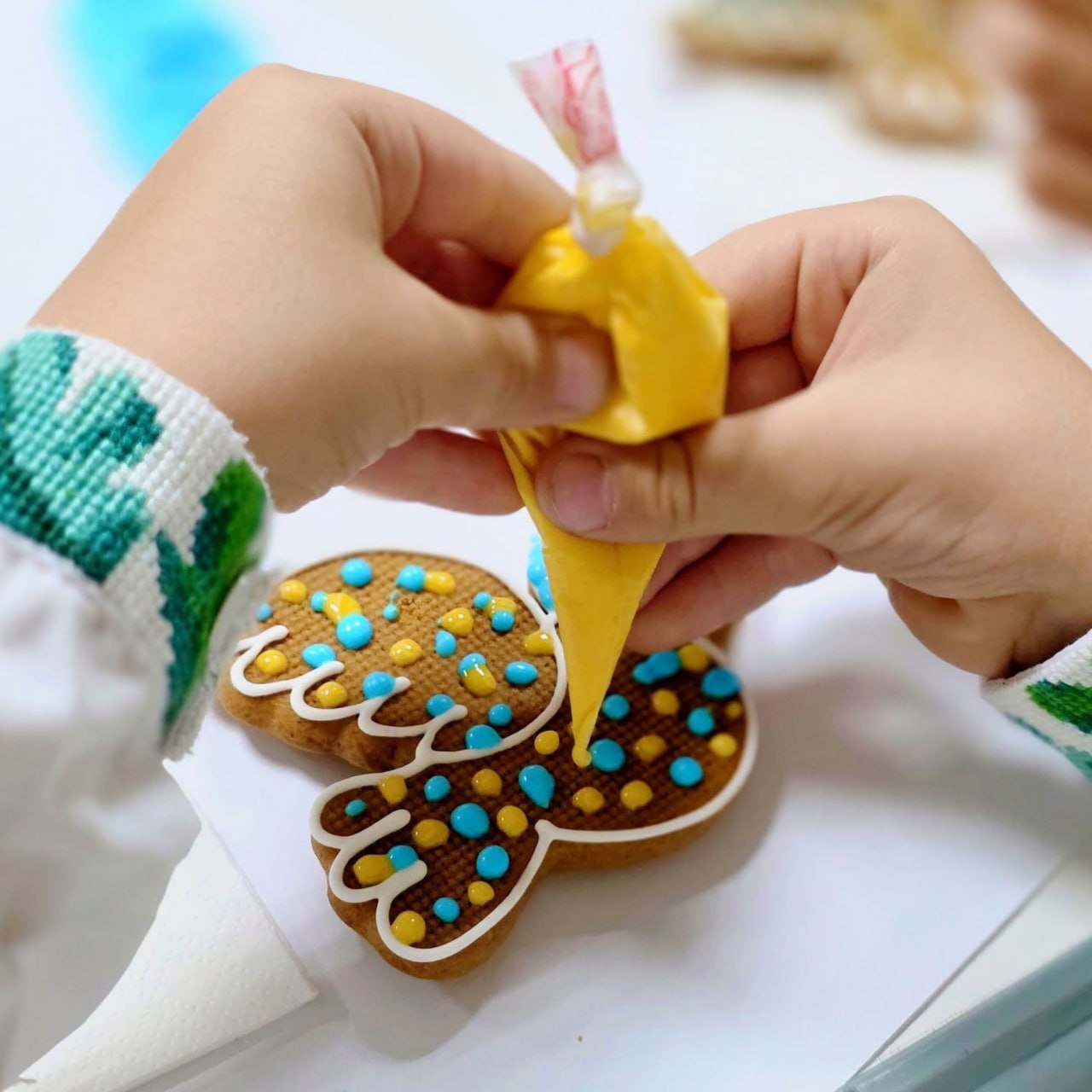
During the workshop, participants discussed what Ukraine, freedom, and the future mean to them.
"For us, patriotic education primarily means explaining to a child why freedom matters, who defends it, and how to communicate with people who have gone through war. We want children to treat veterans with respect and understanding and know how to behave in a society where very different people live side by side," adds Kateryna Shershnova, project manager and deputy head of the Heavenly Hundred Families NGO.
Following the pilot phase, the organization plans to distribute a digital version of the book to civic and educational organizations and to scale the project to other schools.


Photo source: Heavenly Hundred Families NGO
The German prosthetics center Prosthetics.Pro and the Holy Sweets advertising agency also contributed to the implementation of the project.
Background
It should be noted that Ukraine opened applications for a scholarship program for military personnel.